“The appointment was organized from the first call. The crew handled the septic maintenance plans carefully and explained what we should watch for before the next service.”
Karen Mills
customer scheduling septic maintenance plans
All Star Septic Pumping
All Star Septic Pumping provides dependable septic maintenance plans for properties that need clean, practical wastewater support. Call (801) 692-3843 for scheduling, service guidance, and help choosing the right maintenance interval. Our crews focus on safe access, careful site work, responsible waste handling, and plain-language recommendations.

Septic Maintenance Plans from All Star Septic Pumping is designed for customers who need dependable septic maintenance without confusion or delays. This service supports homes, businesses, property managers, restaurants, RV owners, and site operators that depend on safe wastewater handling. Our team uses the appointment to address the immediate need while also looking for practical warning signs that could affect the next service interval. That may include reviewing access, usage patterns, odors, slow flow, visible buildup, tank capacity, or service history. Customers often describe the need as preventive septic service, routine septic care, septic system maintenance, tank maintenance planning, or wastewater maintenance, but the goal is the same: remove the risk, protect the property, and keep the system operating with fewer surprises. We explain what is being done in plain language so owners can make a confident maintenance decision. We also consider whether the service is part of routine care, an urgent symptom, or a property transition that needs clearer documentation.
This service is for property owners and managers who cannot afford guesswork around wastewater capacity, sanitation, or line flow. It is useful for households with growing occupancy, older systems, rental turnovers, unknown maintenance history, or early signs such as odors and slow drains. It also fits commercial locations, food service operations, mobile units, event sites, construction areas, and remote properties where a missed service interval can create customer complaints, shutdowns, or cleanup costs. If your property relies on tanks, traps, drains, sewer lines, or portable sanitation equipment, septic maintenance plans gives you a planned way to keep the site usable and reduce emergency calls. It is especially helpful when owners want one provider who can connect pumping, cleaning, inspection, line flow, and tank capacity into one practical maintenance conversation.
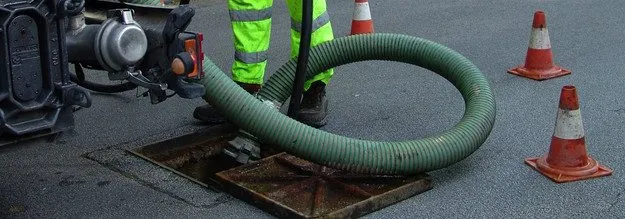
Typical use cases include routine maintenance, urgent service after warning signs appear, pre-sale or pre-purchase property preparation, seasonal occupancy changes, restaurant volume increases, construction site sanitation, RV travel preparation, and recurring service for managed properties. Customers also schedule septic maintenance plans when records are missing, when a tank or line has not been serviced in years, when odors are noticeable near fixtures or access points, or when a property has experienced repeated slow drainage. The service can be scheduled as a one-time visit or as part of a maintenance rhythm that matches usage, system age, capacity, and local operating conditions. It is also useful after storms, plumbing changes, remodeling, tenant turnover, or any period when the system was used more heavily than normal.
The process begins with a short review of the site, the symptoms, and the equipment involved. Before work starts, the crew confirms access points, parking or hose reach, safety concerns, and any areas that need extra care. During the service, we complete the requested wastewater work using equipment matched to the job and monitor for signs that may affect future performance, such as heavy solids, grease accumulation, restricted flow, unusual odors, damaged covers, or access problems. The technician keeps the work area organized, closes access points securely, and explains any observations that should be documented. Instead of treating the visit as a quick transaction, we use it to help the customer understand whether the issue appears routine, overdue, usage-related, or a sign that additional inspection or repair review may be needed. If the service reveals a pattern that could return, such as frequent clogging or unusually fast buildup, the technician can recommend a more appropriate follow-up interval.

The main benefit is control. Planned septic maintenance plans helps customers reduce odors, backups, sanitation complaints, drain interruptions, and emergency cleanup costs. It also gives owners better information about capacity, service frequency, and warning signs before the system is under stress. For commercial and managed properties, regular service supports smoother operations and fewer tenant, customer, or staff disruptions. For homeowners, it can protect yards, fixtures, and drain fields from avoidable wastewater problems. Customers also gain a better record of service history, which is helpful for real estate decisions, tenant management, restaurant operations, and seasonal planning. A reliable maintenance rhythm can extend the useful life of wastewater components by reducing preventable stress.
Waiting too long can turn a manageable maintenance visit into a messy and expensive problem. Solids, grease, or wastewater can move where they do not belong, creating odors, backups, slow drains, saturated soil, tenant complaints, or temporary shutdowns. The wrong approach can also waste time by clearing a symptom without addressing the capacity or buildup that caused it. Scheduling professional service early is usually cleaner, safer, and easier to plan. Delays can also make it harder to determine whether the problem started in the tank, trap, drain, or line.
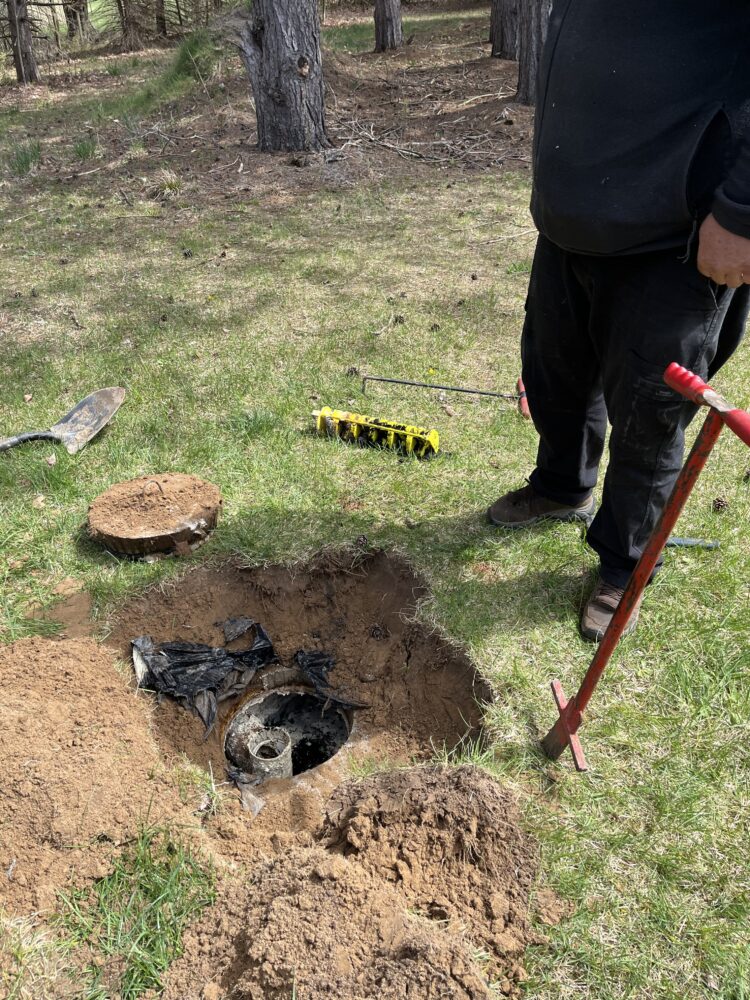
Wastewater service should be performed with attention to safe access, proper containment, sanitary handling, and responsible disposal practices. Restaurants and commercial kitchens may also need grease trap service records that support local health, plumbing, or environmental expectations. Real estate and managed properties benefit from clear maintenance notes that show when service was completed and what was observed. All Star Septic Pumping keeps the focus on practical technical details: capacity, buildup, flow, access, safety, and the maintenance interval that best fits the property.
“The appointment was organized from the first call. The crew handled the septic maintenance plans carefully and explained what we should watch for before the next service.”
Karen Mills
customer scheduling septic maintenance plans
“I appreciated the clear communication and the practical notes after the visit. It made it easier to plan maintenance instead of reacting to complaints.”
Anthony Reed
property manager coordinating wastewater service
“They worked around our schedule and kept the area clean. The service helped us avoid a bigger interruption during a busy week.”
Sofia Patel
business owner avoiding service disruption